
How to monitor heart rate variability for health insights sets the stage for this enthralling narrative, offering readers a glimpse into a story that is rich in detail with a casual formal language style and brimming with originality from the outset.
Heart rate variability (HRV) monitoring is a powerful tool that provides valuable insights into our health. By tracking subtle changes in the time intervals between heartbeats, HRV can offer a window into our overall well-being, stress levels, fitness, and more.
Understanding how to effectively monitor HRV can unlock a treasure trove of information about our body’s inner workings, paving the way for improved health and wellness.
Introduction to Heart Rate Variability Monitoring: How To Monitor Heart Rate Variability For Health Insights
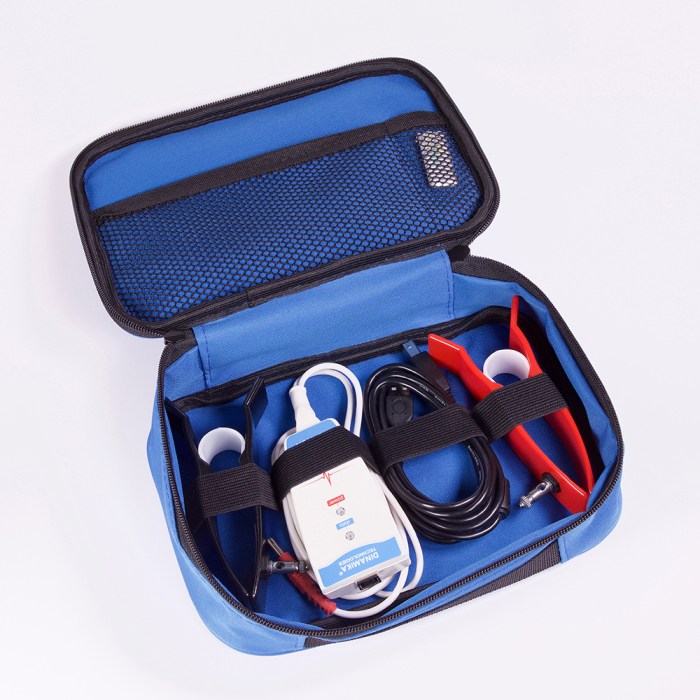
Heart rate variability (HRV) refers to the variation in time intervals between consecutive heartbeats. It is a crucial measure of the autonomic nervous system’s activity and can provide valuable insights into overall health and well-being. Unlike heart rate, which is a measure of beats per minute, HRV reflects the body’s ability to respond to stress, exercise, and other stimuli.
Importance of Monitoring Heart Rate Variability for Health Insights
- Tracking HRV can help in assessing how well the body responds to stressors, offering insights into stress levels and resilience.
- Changes in HRV patterns can indicate potential health issues such as cardiovascular problems, fatigue, or overtraining.
- Utilizing HRV monitoring as a preventive health measure can aid in identifying health concerns early and implementing necessary lifestyle changes.
Methods for Monitoring Heart Rate Variability
- Various tools and devices are available for tracking HRV, including chest straps, smartwatches, and smartphone apps.
- Wearable gadgets like smartwatches use sensors to measure HRV based on heart rate data and algorithms.
- The accuracy and reliability of these methods may vary, so it’s essential to choose a monitoring device that suits your needs and goals.
Interpreting Heart Rate Variability Data, How to monitor heart rate variability for health insights
- Metrics like RMSSD (Root Mean Square of Successive Differences), LF (Low Frequency), HF (High Frequency), and SDNN (Standard Deviation of NN intervals) are essential for HRV analysis.
- Understanding trends and patterns in HRV readings can provide valuable information about stress levels, recovery, and overall health status.
- Interpreting HRV data requires knowledge of individual baseline values and factors that may influence HRV, such as age, fitness level, and health conditions.
Applications of Heart Rate Variability Monitoring
- HRV monitoring can optimize wellness programs by providing insights into stress management, recovery, and overall health improvement.
- Assessing the effectiveness of herbal remedies on the body can be enhanced through HRV monitoring, identifying responses to different treatments.
- Monitoring HRV can also contribute to skin health assessment by reflecting stress levels and overall well-being.
Summary
In conclusion, delving into the realm of heart rate variability monitoring opens up a world of possibilities for enhancing our health and well-being. By harnessing the data provided by HRV tracking, we can make informed decisions about our lifestyle, routines, and healthcare choices, ultimately leading to a healthier and more vibrant life.
FAQ Compilation
How often should I monitor my heart rate variability?
It is recommended to monitor your heart rate variability daily to establish a baseline and track changes over time effectively.
Can I use smartphone apps to monitor heart rate variability?
Yes, there are various smartphone apps available that can help you track your heart rate variability conveniently.
What factors can affect heart rate variability?
Factors such as stress, sleep quality, exercise, and overall health status can influence heart rate variability measurements.


