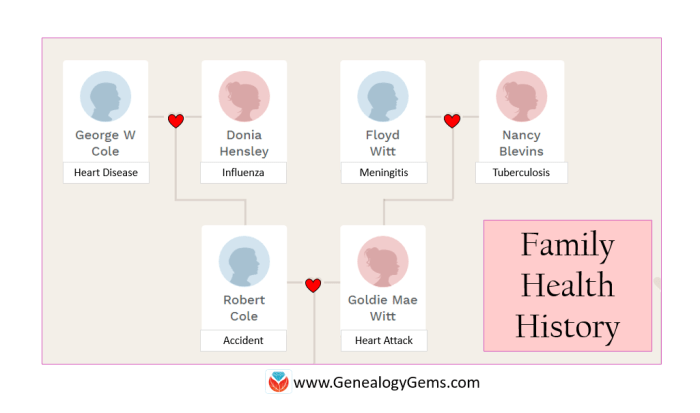
How to discuss family history in health screenings: Understanding the importance of genetic predispositions and initiating meaningful conversations about family health during screenings can lead to better health outcomes and personalized care.
When it comes to health screenings, family history plays a crucial role in shaping our understanding of potential risks and preventive measures. Exploring this topic can shed light on how to navigate these discussions effectively.
How to Discuss Family History in Health Screenings
Understanding family health history is crucial for health screenings as it provides valuable insights into potential risks and conditions that may be hereditary. By discussing family history during screenings, healthcare providers can tailor preventive measures and early interventions to individual needs, ultimately improving health outcomes.
Importance of Understanding Family Health History
- Family health history can help identify genetic predispositions to certain diseases or conditions.
- It allows healthcare providers to assess an individual’s risk factors and recommend appropriate screenings or preventive measures.
- Knowing family health history can guide personalized treatment plans and lifestyle modifications to reduce the risk of developing certain health conditions.
Tips for Initiating Conversations About Family History
- Encourage patients to gather information about their family’s health history before screenings.
- Use open-ended questions to prompt discussions about family health history, such as asking about any chronic conditions or diseases that run in the family.
- Provide a safe and non-judgmental environment for patients to share sensitive information about their family’s health background.
Significance of Genetic Predispositions in Health Discussions
- Genetic predispositions play a significant role in determining an individual’s susceptibility to certain diseases, such as heart disease, diabetes, and cancer.
- Understanding genetic predispositions can help healthcare providers offer personalized recommendations for screenings, lifestyle modifications, and preventive measures.
- By acknowledging genetic predispositions, patients can take proactive steps to mitigate risks and improve their overall health and well-being.
Impact of Family History on Health Screening Results
- Family history can influence the interpretation of health screening results by providing context for abnormal findings or unexpected outcomes.
- Healthcare providers may adjust screening protocols or recommend additional tests based on an individual’s family health history to ensure comprehensive care.
- By considering family history in health screenings, healthcare providers can offer more personalized and effective healthcare strategies to promote long-term health and well-being.
Wellness Programs
Wellness programs are designed to promote healthy behaviors and improve overall well-being. These programs often include a variety of activities and services aimed at helping individuals live a healthier lifestyle.
Types of Wellness Programs
- Physical Fitness Programs: These programs focus on promoting regular exercise and physical activity to improve cardiovascular health, strength, and flexibility.
- Nutrition Counseling: Wellness programs may offer nutrition counseling to help individuals make healthier food choices and improve their diet.
- Mental Health and Stress Management: Programs that provide resources for managing stress, improving mental health, and promoting emotional well-being.
Benefits of Participating in Wellness Programs
- Improved Health Outcomes: Participation in wellness programs can lead to reduced risk of chronic diseases, improved fitness levels, and better overall health.
- Increased Productivity: Employees who participate in wellness programs often experience increased productivity and decreased absenteeism.
- Enhanced Quality of Life: Wellness programs can help individuals feel better physically, mentally, and emotionally, leading to an overall improved quality of life.
Examples of Activities and Services in Wellness Programs
- Yoga Classes
- Health Screenings
- Smoking Cessation Programs
- Weight Management Support
Contribution to Health and Well-being
Wellness programs play a crucial role in promoting preventive health measures and fostering healthy habits. By engaging in these programs, individuals can enhance their physical, mental, and emotional well-being, leading to a better quality of life overall.
Herbal Remedies
Herbal remedies have been used for centuries as natural alternatives to promote health and well-being. These remedies are derived from plants and herbs, offering a holistic approach to maintaining health.
Common Herbal Remedies
Here are some common herbal remedies used for various health concerns:
- Mint: Known for its digestive properties and ability to relieve indigestion and nausea.
- Ginger: Often used to reduce inflammation, alleviate nausea, and improve digestion.
- Lavender: Helps promote relaxation, reduce stress and anxiety, and improve sleep quality.
- Echinacea: Used to boost the immune system and reduce the duration of colds and flu.
Consulting Healthcare Professionals
It is crucial to consult healthcare professionals, such as doctors or herbalists, before incorporating herbal remedies into your health routine. They can provide guidance on the appropriate dosage, potential interactions with medications, and ensure the safety and effectiveness of the herbal remedies.
Incorporating Herbal Remedies into a Healthy Lifestyle
Here are some tips on how to incorporate herbal remedies into a healthy lifestyle:
- Research: Educate yourself on the benefits and potential side effects of different herbal remedies before using them.
- Start Slowly: Introduce one herbal remedy at a time to monitor its effects on your body.
- Quality Matters: Choose high-quality, organic herbal products to ensure their effectiveness.
- Balance: Use herbal remedies as part of a balanced approach to health, including a nutritious diet, regular exercise, and stress management techniques.
Skin Health
Skin health plays a crucial role in our overall well-being as it serves as a protective barrier against external elements and helps regulate body temperature. Maintaining healthy skin is essential for not only physical appearance but also for our immune system and overall health.
Common Skin Issues and Underlying Health Conditions
- Acne: Hormonal imbalances and stress can contribute to acne breakouts.
- Eczema: Often linked to allergies and immune system dysfunction.
- Psoriasis: An autoimmune condition that can be triggered by stress or infections.
Skincare Tips for Healthy Skin
- Stay hydrated by drinking plenty of water throughout the day.
- Protect your skin from the sun by using sunscreen and wearing protective clothing.
- Follow a consistent skincare routine using gentle cleansers and moisturizers.
Lifestyle Factors Impacting Skin Health
- Diet: Consuming a balanced diet rich in vitamins and antioxidants can promote healthy skin.
- Stress: High levels of stress can lead to skin issues such as acne and eczema.
- Smoking: Smoking can accelerate skin aging and increase the risk of skin cancer.
Bone Density
Bone density plays a crucial role in overall health, as it determines the strength and resilience of our skeletal system. Maintaining healthy bone density is essential for preventing fractures, osteoporosis, and other bone-related issues.
Factors Affecting Bone Density
Several factors can influence bone density, including:
- Age: Bone density tends to decrease with age, especially in postmenopausal women.
- Diet: Inadequate intake of calcium and vitamin D can lead to decreased bone density.
- Physical activity: Regular exercise, especially weight-bearing and resistance training, can help maintain bone density.
- Genetics: Family history of osteoporosis or bone-related issues can impact bone density.
Maintaining Healthy Bones
To maintain healthy bones and prevent bone-related issues, consider the following tips:
- Ensure an adequate intake of calcium and vitamin D through diet or supplements.
- Engage in weight-bearing and resistance exercises to strengthen bones.
- Avoid smoking and limit alcohol consumption, as they can negatively affect bone health.
- Get regular screenings and tests to assess bone density and identify any potential issues early.
Screenings and Tests for Bone Density
There are various screenings and tests available to assess bone density and overall bone health:
- Dual-energy X-ray absorptiometry (DXA): This test measures bone mineral density and helps diagnose osteoporosis.
- Quantitative ultrasound: A non-invasive test that assesses bone density in peripheral bones like the heel.
- Blood tests: Checking vitamin D levels and other markers can provide insights into bone health.
- Bone turnover markers: These tests evaluate the rate of bone formation and breakdown, indicating bone health status.
Muscle Mass
Maintaining and building muscle mass is crucial for overall health and daily functioning. Muscle mass plays a vital role in metabolism, strength, and mobility. Here are some tips on how to preserve and increase muscle mass:
Importance of Muscle Mass
- Muscle mass is essential for maintaining a healthy metabolism. Muscles burn more calories at rest compared to fat, helping to support weight management.
- Strong muscles are key for proper body mechanics and balance, reducing the risk of falls and injuries, especially as we age.
- Muscle mass also contributes to overall strength, endurance, and vitality, allowing us to perform daily tasks with ease.
Maintaining and Building Muscle Mass
- Regular resistance training exercises, such as weightlifting or bodyweight exercises, are effective in preserving and increasing muscle mass.
- Ensure an adequate protein intake to support muscle growth and repair. Include lean protein sources in your diet, such as chicken, fish, tofu, and legumes.
- Stay hydrated and consume a balanced diet rich in nutrients to support muscle health and recovery.
- Get enough quality sleep to allow your muscles to rest and recover properly after exercise.
Dental Care
Good dental care is essential for maintaining overall health and well-being. Neglecting oral health can lead to various issues that not only affect your mouth but also impact your systemic health.
Importance of Dental Care
- Regular dental check-ups can help prevent oral diseases such as cavities, gum disease, and oral cancer.
- Poor oral health has been linked to systemic conditions like heart disease, diabetes, and respiratory infections.
- Proper dental care can improve your overall quality of life by ensuring a healthy mouth and a confident smile.
Common Dental Issues and Impact
- Tooth decay: Cavities can lead to pain, infection, and tooth loss if left untreated.
- Gum disease: Gingivitis and periodontitis can affect not only your gums but also your overall health.
- Oral cancer: Early detection through dental screenings can significantly improve treatment outcomes.
Tips for Maintaining Good Oral Health
- Brush your teeth at least twice a day and floss daily to remove plaque and prevent cavities.
- Limit sugary and acidic foods and drinks that can contribute to tooth decay.
- Visit your dentist regularly for check-ups, cleanings, and preventive care.
Connection Between Dental Health and Systemic Health
Research has shown that oral health is closely linked to systemic health. Poor oral hygiene can lead to inflammation in the body, increasing the risk of various chronic conditions like heart disease and diabetes. Maintaining good dental care habits can contribute to overall health and well-being.
Eye Health
Regular eye exams are not only crucial for maintaining good vision but also for overall health. Many systemic conditions, such as diabetes and high blood pressure, can be first detected through an eye exam. It is essential to prioritize your eye health to catch any issues early and prevent potential complications.
Common Eye Conditions and Implications
- Refractive errors such as myopia (nearsightedness) and hyperopia (farsightedness) can affect one’s ability to see clearly at different distances.
- Cataracts, a clouding of the lens in the eye, can lead to blurry vision and difficulty with daily activities.
- Glaucoma, a group of eye conditions that damage the optic nerve, can result in vision loss if left untreated.
- Age-related macular degeneration (AMD) can cause central vision loss, impacting activities like reading and driving.
Tips for Maintaining Good Eye Health
- Schedule regular eye exams with an eye care professional to monitor your eye health and address any concerns promptly.
- Eat a well-balanced diet rich in fruits, vegetables, and omega-3 fatty acids to support eye health.
- Protect your eyes from harmful UV rays by wearing sunglasses when outdoors, even on cloudy days.
- Avoid smoking, as it can increase the risk of developing eye conditions such as cataracts and AMD.
Lifestyle Factors Affecting Eye Health
- Spending prolonged periods in front of digital screens can strain your eyes and contribute to digital eye strain.
- Maintaining a healthy weight and managing chronic conditions like diabetes can help prevent eye-related complications.
- Getting regular physical activity can improve blood circulation to the eyes and promote overall eye health.
- Adequate sleep is essential for eye health, as it allows your eyes to rest and recharge for the next day.
Mental Clarity
Mental clarity plays a crucial role in cognitive function, affecting our ability to think, reason, and remember. It refers to the state of having a clear and focused mind, free from mental fog or confusion.
Significance of Mental Clarity for Cognitive Function
Mental clarity is essential for optimal cognitive function as it enables efficient processing of information, quicker decision-making, and improved problem-solving skills. It also enhances memory retention and overall mental performance.
Factors Influencing Mental Clarity
- Healthy Diet: Consuming a balanced diet rich in nutrients, antioxidants, and omega-3 fatty acids can support brain health and enhance mental clarity.
- Regular Exercise: Physical activity promotes blood flow to the brain, improving cognitive function and mental clarity.
- Stress Management: Chronic stress can impair mental clarity, so practicing relaxation techniques like meditation or deep breathing can help reduce stress levels.
- Adequate Sleep: Quality sleep is crucial for mental clarity, as it allows the brain to rest, recharge, and consolidate memories.
Tips for Improving and Maintaining Mental Clarity
- Stay Hydrated: Dehydration can lead to brain fog and impaired cognitive function, so drink plenty of water throughout the day.
- Engage in Mental Exercises: Activities like puzzles, reading, or learning a new skill can help sharpen your mind and improve mental clarity.
- Establish a Routine: Having a structured daily routine can help reduce decision fatigue and improve mental clarity by creating a sense of order and predictability.
Impact of Stress and Sleep on Mental Clarity
Chronic stress can negatively impact mental clarity by triggering the release of stress hormones that interfere with cognitive function. Similarly, inadequate sleep can impair mental clarity, focus, and memory, affecting overall brain health and performance.
Joint Flexibility
Maintaining good joint flexibility is crucial for overall mobility and function in daily activities. Flexible joints can help prevent injuries, improve posture, and enhance the range of motion.
Importance of Joint Flexibility
- Flexible joints allow for smooth movements and reduce the risk of strains or sprains.
- Good joint flexibility can help alleviate joint pain and stiffness, especially as we age.
- Improved joint flexibility contributes to better balance and coordination.
Factors Affecting Joint Flexibility
- Age: Joint flexibility tends to decrease with age due to changes in connective tissues.
- Physical activity levels: Regular exercise can help maintain joint flexibility.
- Injury history: Past injuries can impact joint flexibility if not properly rehabilitated.
Tips for Improving and Maintaining Joint Flexibility
- Engage in regular stretching exercises that target different muscle groups around the joints.
- Stay hydrated to keep the joints lubricated and flexible.
- Maintain a healthy weight to reduce stress on the joints.
Role of Exercise and Stretching in Preserving Joint Health
- Regular exercise, including activities like yoga or Pilates, can help improve joint flexibility.
- Stretching exercises can enhance muscle flexibility and joint range of motion.
- Strength training exercises can support joint stability and overall joint health.
Digestive Health
Good digestive health is fundamental to overall well-being as it affects the body’s ability to absorb essential nutrients and eliminate waste effectively. A healthy digestive system is crucial for maintaining a strong immune system and preventing various health issues.
Importance of Digestive Health
- Healthy digestion ensures the proper breakdown of food, allowing the body to absorb nutrients efficiently.
- Poor digestive health can lead to nutrient deficiencies, digestive disorders, and other health problems.
- The gut plays a significant role in immune function, with about 70% of the body’s immune cells located in the digestive tract.
- Imbalances in gut bacteria can impact mental health, skin conditions, and autoimmune diseases.
Common Digestive Issues
- Acid reflux, bloating, constipation, and diarrhea are common digestive problems that can affect daily life.
- Food intolerances, irritable bowel syndrome (IBS), and inflammatory bowel diseases (IBD) like Crohn’s disease and ulcerative colitis are more severe conditions that require medical attention.
Promoting Good Digestive Health
- Eat a balanced diet rich in fiber, fruits, vegetables, and whole grains to support healthy digestion.
- Stay hydrated, exercise regularly, and manage stress as these factors can impact digestive health.
- Avoid processed foods, excessive alcohol consumption, and smoking, which can disrupt gut bacteria and lead to digestive issues.
- Consider probiotics, prebiotics, and digestive enzymes to maintain a healthy gut flora and aid digestion.
Gut Health and Immune Function
- The gut microbiome plays a crucial role in regulating immune responses and protecting against pathogens.
- An imbalance in gut bacteria can weaken the immune system and make the body more susceptible to infections and autoimmune diseases.
- Supporting gut health through a balanced diet, probiotics, and lifestyle choices can strengthen immune function and overall health.
Detox Process
Detoxification is the process of eliminating toxins from the body to improve overall health and well-being. By supporting the body’s natural detox process, individuals can experience benefits such as increased energy, improved digestion, and clearer skin.
Natural Ways to Support Detox Process
- Adequate hydration: Drinking plenty of water helps flush out toxins and supports kidney function.
- Eating a diet rich in fruits and vegetables: These foods are high in antioxidants and fiber, which aid in detoxification.
- Regular exercise: Physical activity promotes circulation and sweating, which helps the body eliminate toxins.
- Getting enough sleep: Quality sleep allows the body to repair and regenerate, supporting detox processes.
Tips for Incorporating Detox Practices into a Healthy Lifestyle
- Start the day with a glass of warm lemon water to kickstart the detox process.
- Include detoxifying foods like garlic, turmeric, and leafy greens in your meals.
- Practice mindful eating to focus on nourishing your body with whole, unprocessed foods.
- Consider incorporating periodic juice cleanses or fasting to give your digestive system a break.
Potential Benefits of Periodic Detoxification
- Improved energy levels and mental clarity.
- Enhanced immune function and reduced inflammation.
- Weight loss and improved digestion.
- Clearer skin and healthier hair.
Blood Pressure
Blood pressure is an essential metric in monitoring overall health and wellbeing. It is a measure of the force of blood against the walls of your arteries as your heart pumps it around your body. Maintaining healthy blood pressure levels is crucial for reducing the risk of heart disease, stroke, and other health issues.
Significance of Monitoring Blood Pressure
- Regular monitoring of blood pressure helps in early detection of any potential issues.
- High blood pressure, also known as hypertension, often has no symptoms, so regular screenings are important.
- Controlling blood pressure through lifestyle changes and medication can significantly reduce the risk of heart disease and stroke.
Factors Influencing Blood Pressure Levels
- Diet high in sodium and low in potassium can increase blood pressure.
- Lack of physical activity, smoking, and excessive alcohol consumption can also impact blood pressure levels.
- Stress, age, genetics, and certain medical conditions can contribute to high blood pressure.
Tips for Maintaining Healthy Blood Pressure
- Adopt a healthy diet rich in fruits, vegetables, whole grains, and lean proteins.
- Engage in regular physical activity to help lower blood pressure and keep your heart healthy.
- Limit salt intake, avoid smoking, and moderate alcohol consumption.
- Manage stress through relaxation techniques such as deep breathing, yoga, or meditation.
Importance of Regular Blood Pressure Screenings
- Regular screenings help in tracking changes in blood pressure over time.
- Early detection of high blood pressure allows for timely interventions to prevent complications.
- Screenings are essential for individuals with a family history of hypertension or related conditions.
Heart Rate
Maintaining a healthy heart rate is crucial for overall cardiovascular health and well-being. It is important to understand the relationship between heart rate and various factors that can impact it.
Heart Rate and Cardiovascular Health
The heart rate, or the number of times your heart beats per minute, is a key indicator of cardiovascular health. A lower resting heart rate is often associated with better overall heart health, as it indicates that the heart is functioning efficiently.
On the other hand, a consistently high heart rate may be a sign of potential heart issues and increased risk of cardiovascular disease.
Heart Rate Variability and Well-being, How to discuss family history in health screenings
Heart rate variability, or the variation in time intervals between heartbeats, can reflect your body’s ability to respond to stress and adapt to changing circumstances. Higher heart rate variability is generally associated with better overall health and well-being, while decreased variability may indicate increased stress or potential health issues.
Tips for Monitoring and Maintaining a Healthy Heart Rate
- Keep track of your resting heart rate regularly to monitor changes over time.
- Aim for at least 150 minutes of moderate-intensity exercise per week to help maintain a healthy heart rate.
- Practice stress-reducing activities such as meditation and deep breathing exercises to help keep your heart rate in check.
- Consult with a healthcare provider if you notice any significant changes in your heart rate, especially if accompanied by other symptoms.
Impact of Exercise and Stress on Heart Rate
Regular exercise can help lower your resting heart rate and improve overall cardiovascular health. On the other hand, stress and anxiety can lead to an increase in heart rate, potentially impacting your heart health. Finding a balance between physical activity and stress management is key to maintaining a healthy heart rate.
Health Screenings: How To Discuss Family History In Health Screenings
Regular health screenings play a crucial role in preventive care, helping to detect potential health issues early on and take necessary actions to maintain overall well-being.
Importance of Regular Health Screenings
- Screenings can help identify risk factors and early signs of diseases before they progress.
- Early detection through screenings can lead to more effective treatments and improved outcomes.
- Regular screenings can promote a proactive approach to health management, preventing serious health conditions.
Common Screenings by Age Group
- 20s and 30s:Blood pressure, cholesterol, diabetes, skin checks, and STD screenings.
- 40s:Mammograms, colonoscopies, bone density scans, prostate cancer screenings, and eye exams.
- 50s and beyond:Regular cancer screenings, heart health assessments, and cognitive function evaluations.
Tips for Health Screenings
- Follow any pre-screening instructions provided by your healthcare provider, such as fasting for blood tests.
- Be honest and thorough when providing your medical history and any symptoms you may be experiencing.
- Ask questions to understand the purpose of each screening test and how the results will be interpreted.
Role of Screenings in Early Detection
Regular health screenings are essential for detecting health issues in their early stages, allowing for timely interventions and preventive measures to be taken. By monitoring key health indicators through screenings, individuals can proactively manage their health and reduce the risk of developing serious illnesses.
Vaccination Programs
Vaccination programs play a crucial role in preventing infectious diseases by boosting immunity against specific pathogens. These programs are designed to protect individuals and communities from the spread of harmful viruses and bacteria.
Role of Vaccinations in Preventing Infectious Diseases
Vaccinations work by introducing a weakened or inactive form of a pathogen into the body, triggering the immune system to produce antibodies. These antibodies help the body recognize and fight off the actual pathogen if exposed in the future.
Common Vaccinations Across Various Age Groups
- Infants and young children: Vaccines such as MMR (measles, mumps, rubella), DTaP (diphtheria, tetanus, pertussis), and flu shots are commonly recommended.
- Adolescents: Vaccines like HPV (human papillomavirus) and meningococcal vaccines are often administered during the teenage years.
- Adults: Vaccines like influenza, Tdap (tetanus, diphtheria, pertussis), and shingles vaccines are recommended for adults to maintain immunity.
- Elderly: Vaccines such as pneumococcal and flu shots are crucial for older adults to prevent serious complications.
Importance of Vaccination Programs for Community Health
Vaccination programs are essential for community health as they create herd immunity, protecting those who cannot be vaccinated due to medical reasons or age. By achieving high vaccination rates, communities can prevent outbreaks of vaccine-preventable diseases.
Benefits of Staying Up-to-Date with Vaccination Schedules
- Prevention of serious diseases: Staying current with vaccinations reduces the risk of contracting and spreading infectious diseases.
- Protection of vulnerable populations: By maintaining immunity through vaccinations, individuals can safeguard vulnerable groups such as infants, elderly, and individuals with compromised immune systems.
- Cost-effective healthcare: Vaccinations prevent costly medical treatments and hospitalizations associated with vaccine-preventable diseases.
Healthy Habits
Maintaining healthy habits is crucial for overall well-being as it contributes to a healthier lifestyle and reduces the risk of various health issues. Developing consistent healthy habits can have long-term benefits that positively impact both physical and mental health.
Examples of Healthy Habits
- Eating a balanced diet rich in fruits, vegetables, whole grains, and lean proteins.
- Engaging in regular physical activity such as walking, jogging, or yoga.
- Prioritizing quality sleep by establishing a bedtime routine and ensuring 7-9 hours of rest each night.
- Practicing stress management techniques like meditation, deep breathing, or mindfulness.
Tips for Developing Healthy Habits
- Start small and gradually incorporate one healthy habit at a time.
- Set specific, achievable goals to track progress and stay motivated.
- Find a support system or accountability partner to help stay on track.
- Reward yourself for meeting milestones to reinforce positive behavior.
Long-Term Benefits of Healthy Habits
- Improved overall health and reduced risk of chronic diseases like heart disease, diabetes, and obesity.
- Enhanced mental well-being, including reduced stress and improved mood.
- Increased energy levels and better quality of life.
- Longevity and a higher likelihood of maintaining independence in older age.
Balanced Hormones
Having balanced hormones is crucial for the proper functioning of various bodily processes. Hormones play a key role in regulating metabolism, mood, growth and development, reproductive health, and more.
Factors Affecting Hormonal Balance
- Stress: High levels of stress can disrupt hormone balance, leading to issues like adrenal fatigue and imbalances in cortisol levels.
- Diet: Poor nutrition can impact hormone production and regulation, especially with regards to insulin and thyroid hormones.
- Environmental Toxins: Exposure to toxins in the environment, such as pesticides and chemicals in personal care products, can interfere with hormone signaling.
- Lifestyle Choices: Lack of exercise, inadequate sleep, and excessive alcohol consumption can all contribute to hormonal imbalances.
Supporting Hormone Balance
- Eat a balanced diet rich in whole foods, healthy fats, and lean proteins to support hormone production.
- Manage stress through practices like yoga, meditation, and deep breathing exercises.
- Get regular exercise to help regulate hormone levels and improve overall well-being.
- Adequate sleep is essential for hormone balance, aim for 7-9 hours of quality sleep each night.
Hormone Testing and Treatment
- Consult with a healthcare provider to discuss hormone testing options, such as blood tests or saliva tests.
- Based on test results, treatment options may include hormone replacement therapy, lifestyle modifications, or natural supplements.
- It is important to work closely with a healthcare professional to determine the best course of action for balancing hormones.
Health Coaching
Health coaching plays a crucial role in promoting overall wellness by providing individuals with personalized support and guidance to help them achieve their health goals. These professionals work with clients to create actionable plans, offer accountability, and motivate them to make positive lifestyle changes.
Role of Health Coaching in Promoting Wellness
- Health coaches empower individuals to take control of their health and well-being through education and support.
- They help clients set realistic goals and develop sustainable habits to improve their physical, mental, and emotional health.
- Health coaches provide personalized strategies to address specific health concerns and promote overall wellness.
How Health Coaches Support Individuals in Achieving Health Goals
- Health coaches offer guidance on nutrition, exercise, stress management, and other lifestyle factors that impact health.
- They help clients identify barriers to success and develop strategies to overcome obstacles.
- Health coaches provide ongoing support, motivation, and accountability to help clients stay focused and committed to their health goals.
Areas Where Health Coaching Can Be Beneficial
- Weight management and healthy eating habits
- Stress reduction and mental well-being
- Fitness and physical activity routines
- Chronic disease management and prevention
Tips for Finding a Qualified Health Coach
- Look for health coaches with recognized certifications from reputable organizations.
- Ask for referrals from healthcare providers or trusted sources.
- Interview potential health coaches to ensure they align with your goals and values.
- A qualified health coach should have experience in your specific area of focus and demonstrate empathy, communication skills, and a collaborative approach.
Fitness Goals
Setting fitness goals is crucial for staying motivated and making progress in your health and wellness journey. Whether you aim to improve your strength, endurance, flexibility, or overall fitness level, having clear goals can help you stay focused and on track.
Importance of Setting Fitness Goals
Creating fitness goals that are Specific, Measurable, Achievable, Relevant, and Time-bound (SMART) is essential for ensuring success and staying motivated. By setting clear and realistic goals, you can track your progress, celebrate your achievements, and stay committed to your fitness routine.
Tips for Creating SMART Fitness Goals
- Specific: Clearly define what you want to achieve, such as running a 5k race or losing 10 pounds.
- Measurable: Set concrete criteria for tracking your progress, like lifting a heavier weight or reducing your mile time.
- Achievable: Make sure your goals are realistic and within reach, considering your current fitness level and lifestyle.
- Relevant: Align your fitness goals with your overall health objectives and personal values to stay motivated.
- Time-bound: Set a deadline for reaching your goals to create a sense of urgency and accountability.
Strategies for Tracking and Adjusting Fitness Goals
Regularly monitoring your progress, whether through fitness apps, journaling, or working with a personal trainer, can help you stay accountable and make necessary adjustments to your goals. Listen to your body, be flexible with your approach, and be willing to adapt your goals based on your evolving needs and capabilities.
Benefits of Working Towards Fitness Goals
- Increased motivation and commitment to your fitness routine.
- Improved physical and mental well-being.
- Enhanced sense of accomplishment and self-confidence.
- Better overall health and quality of life.
Diet Planning
When it comes to overall health, balanced nutrition plays a crucial role in ensuring our bodies get the essential nutrients they need to function properly. A well-rounded diet can help prevent diseases, maintain a healthy weight, and improve overall well-being.
Significance of Balanced Nutrition
- Balanced nutrition provides the necessary vitamins, minerals, and nutrients needed for optimal health.
- It helps in maintaining a healthy weight and reducing the risk of chronic diseases such as heart disease, diabetes, and cancer.
- Proper nutrition contributes to better energy levels, mood stability, and overall mental health.
Principles of Healthy Eating and Meal Planning
- Include a variety of fruits, vegetables, whole grains, lean proteins, and healthy fats in your diet.
- Avoid processed foods, sugary drinks, and excessive salt and sugar intake.
- Practice portion control and mindful eating to avoid overeating.
Tips for Creating a Well-Rounded Diet Plan
- Plan your meals ahead of time to ensure a balanced intake of nutrients.
- Read food labels to make informed choices about the nutritional content of foods.
- Stay hydrated by drinking an adequate amount of water throughout the day.
Personalized Diet Planning Based on Individual Needs
- Consult with a nutritionist or dietitian to create a personalized diet plan tailored to your specific health goals and dietary preferences.
- Consider factors such as age, gender, activity level, and any existing health conditions when designing a customized diet plan.
- Regularly assess and adjust your diet plan based on your changing nutritional needs and health status.
Health Supplements
Health supplements play a crucial role in supporting overall health and well-being by providing essential nutrients that may be lacking in our regular diet.
Types of Health Supplements and Their Benefits
- Vitamin supplements: These can help fill the nutritional gaps in your diet and support various bodily functions.
- Mineral supplements: Essential for maintaining strong bones, healthy teeth, and overall metabolic functions.
- Omega-3 fatty acids: Known for their anti-inflammatory properties and benefits for heart health and brain function.
Tips for Choosing Quality Supplements
- Look for supplements from reputable brands that undergo third-party testing for quality and purity.
- Check the ingredients list and ensure the supplement does not contain any unnecessary additives or fillers.
- Consider your specific health needs and consult with a healthcare provider to determine the right supplements for you.
Importance of Consulting Healthcare Providers
It is essential to consult a healthcare provider before starting any new supplements to ensure they are safe and appropriate for your individual health needs. They can provide guidance on proper dosage, potential interactions with medications, and monitor your progress.
Breathing Techniques
Breathing techniques play a crucial role in relaxation and stress management. By incorporating mindful breathing practices into your daily routine, you can experience a range of benefits for your overall well-being.
Different Breathing Techniques
- Deep Breathing: Inhale deeply through your nose, allowing your lungs to fill with air, then exhale slowly through your mouth. This technique can help calm your mind and reduce stress.
- Box Breathing: Inhale for a count of four, hold your breath for a count of four, exhale for a count of four, and hold for a count of four. Repeat this pattern to regulate your breathing and increase focus.
- Alternate Nostril Breathing: Close one nostril with your thumb and inhale through the other nostril, then switch and exhale through the opposite nostril. This technique can help balance energy levels and clear the mind.
Incorporating Breathing Exercises into Daily Routine
- Set aside dedicated time each day to practice breathing exercises, such as in the morning or before bed.
- Pair breathing techniques with other activities, such as stretching or meditation, to enhance their benefits.
- Use reminders, such as alarms or sticky notes, to prompt yourself to take a moment for mindful breathing throughout the day.
Benefits of Mindful Breathing Practices
- Reduces stress and anxiety levels.
- Improves focus and concentration.
- Promotes relaxation and better sleep quality.
- Enhances overall emotional well-being and mental clarity.
Disease Prevention
Preventing diseases is crucial for maintaining overall health and well-being. By taking proactive measures, individuals can significantly reduce the risk of developing various health conditions.
Significance of Preventive Measures
- Regular health screenings can help detect potential issues early on, allowing for timely intervention and treatment.
- Vaccinations play a vital role in preventing infectious diseases and safeguarding public health.
- Healthy lifestyle choices, such as maintaining a balanced diet and staying physically active, can boost the immune system and lower the risk of chronic diseases.
Lifestyle Factors for Disease Prevention
- Engaging in regular exercise can improve cardiovascular health, strengthen the immune system, and reduce the risk of conditions like obesity and diabetes.
- Eating a nutritious diet rich in fruits, vegetables, whole grains, and lean proteins can provide essential nutrients and antioxidants to support overall health.
- Avoiding tobacco use, limiting alcohol consumption, and managing stress effectively are essential for disease prevention.
Tips for Maintaining a Healthy Lifestyle
- Stay hydrated by drinking an adequate amount of water throughout the day.
- Get enough sleep to allow the body to rest and recharge.
- Avoid excessive sun exposure and always use sunscreen to protect your skin from harmful UV rays.
Impact of Health Screenings and Vaccinations
- Regular health screenings can help identify risk factors and enable healthcare providers to recommend preventive measures or lifestyle changes.
- Vaccinations can prevent the spread of infectious diseases and protect individuals, especially vulnerable populations like children and the elderly.
Pain Management
Pain management is crucial for maintaining a good quality of life as it directly impacts our ability to function and enjoy daily activities. Effective management of pain can lead to improved physical and mental well-being, allowing individuals to lead a fulfilling life despite any underlying health conditions.
Different Approaches to Pain Management
- Medication: This is one of the most common approaches to managing pain, whether it be over-the-counter pain relievers or prescription medications. It is important to consult with a healthcare professional before starting any medication regimen.
- Therapy: Physical therapy, occupational therapy, and cognitive-behavioral therapy are all effective in managing pain by addressing the root causes and providing coping strategies.
- Lifestyle Changes: Incorporating regular exercise, maintaining a healthy diet, practicing relaxation techniques, and ensuring proper sleep can all contribute to reducing pain levels.
Tips for Coping with Chronic Pain
- Stay Active: Engage in low-impact exercises or activities that you enjoy to help manage chronic pain and improve mobility.
- Mind-Body Techniques: Practices such as meditation, deep breathing, and mindfulness can help alleviate stress and reduce the perception of pain.
- Support Network: Surround yourself with understanding and supportive individuals who can provide emotional support during challenging times.
Seeking Professional Help for Persistent or Severe Pain
It is essential to seek medical advice if you are experiencing persistent or severe pain that is impacting your daily life. A healthcare provider can help diagnose the underlying cause of the pain and recommend appropriate treatment options.
Holistic Treatments
When it comes to health and wellness, holistic treatments take a comprehensive approach that considers the mind, body, and spirit as interconnected elements. Unlike conventional medicine that focuses on treating specific symptoms, holistic therapies aim to address the root cause of health issues to promote overall well-being.
Common Holistic Therapies and Benefits
- Acupuncture: This ancient Chinese practice involves inserting thin needles into specific points on the body to promote energy flow and relieve pain. It can help with various conditions such as chronic pain, stress, and digestive issues.
- Herbal Medicine: Using plants and herbs for medicinal purposes, herbal remedies can offer natural solutions for a wide range of health concerns, including boosting immunity, improving digestion, and reducing inflammation.
- Yoga and Meditation: These mind-body practices focus on relaxation, mindfulness, and movement to enhance mental clarity, reduce stress, and improve flexibility and strength.
- Massage Therapy: By manipulating soft tissues in the body, massage therapy can help alleviate muscle tension, improve circulation, and promote relaxation and stress relief.
Examples of Holistic Treatments for Different Health Concerns
- For Stress Management: Mindfulness meditation, aromatherapy, and relaxation techniques can help reduce stress levels and promote a sense of calm.
- For Digestive Health: Probiotics, herbal teas, and acupuncture can support gut health and improve digestion.
- For Pain Relief: Chiropractic care, massage therapy, and acupuncture are effective in managing pain and promoting recovery.
Tips for Integrating Holistic Practices into a Comprehensive Wellness Plan
- Start Slow: Begin by incorporating one holistic practice at a time to see how it complements your existing health routine.
- Consult with Professionals: Seek guidance from trained holistic practitioners to ensure you are using therapies safely and effectively.
- Stay Consistent: Consistency is key when it comes to holistic treatments, so make sure to follow through with your chosen practices regularly.
Mental Resilience
In today’s fast-paced world, mental resilience plays a crucial role in coping with challenges and stress. It is the ability to bounce back from setbacks, adapt to change, and maintain a positive outlook despite difficult circumstances. Building and enhancing mental resilience is essential for overall well-being and health.
Importance of Mental Resilience
- Resilience helps individuals navigate through adversity and come out stronger on the other side.
- It reduces the negative impact of stress on mental health and prevents burnout.
- Individuals with high levels of resilience are better equipped to handle life’s ups and downs.
Strategies for Building Mental Resilience
- Practice mindfulness and meditation to stay present and calm in challenging situations.
- Cultivate a strong support system of friends and family who can provide emotional support.
- Set realistic goals and break them down into manageable steps to avoid feeling overwhelmed.
Maintaining Mental Well-being
- Engage in activities that bring joy and relaxation, such as hobbies or spending time in nature.
- Prioritize self-care by getting enough sleep, eating a balanced diet, and exercising regularly.
- Seek professional help if needed through therapy or counseling to work through mental health challenges.
Relationship Between Mental Resilience and Overall Health
Mental resilience is closely linked to physical health, as chronic stress and negative emotions can impact the immune system and increase the risk of various health conditions.
- Individuals with high mental resilience are more likely to adopt healthy habits and seek medical help when needed.
- Resilience can act as a buffer against the negative effects of stress on the body, leading to better overall health outcomes.
Final Thoughts
In conclusion, discussing family history in health screenings is not just about sharing information but about actively engaging in conversations that can impact our well-being. By acknowledging the significance of genetic predispositions and understanding how family history influences our health, we can take proactive steps towards better healthcare decisions.
General Inquiries
How can I start a conversation about family history during a health screening?
Begin by expressing the importance of understanding family health history for better healthcare decisions and ask open-ended questions to encourage sharing.
Why is knowing about genetic predispositions important in health discussions?
Genetic predispositions can provide insights into potential health risks and help healthcare providers tailor screenings and preventive measures accordingly.
How does family history impact health screening results?
Family history can influence the likelihood of certain conditions, guide screening frequency, and prompt earlier interventions for better health outcomes.
Is it necessary to inform healthcare providers about my family history during screenings?
Yes, sharing your family health history allows healthcare providers to assess your risk factors and provide personalized care recommendations.


